Hybrid press brake
A hybrid press brake uses servo-driven pumps to build hydraulic pressure only when the ram needs it. You keep hydraulic force for the work stroke and shed the constant pump noise, heat and idle energy draw of a conventional machine.
What is a hybrid press brake?
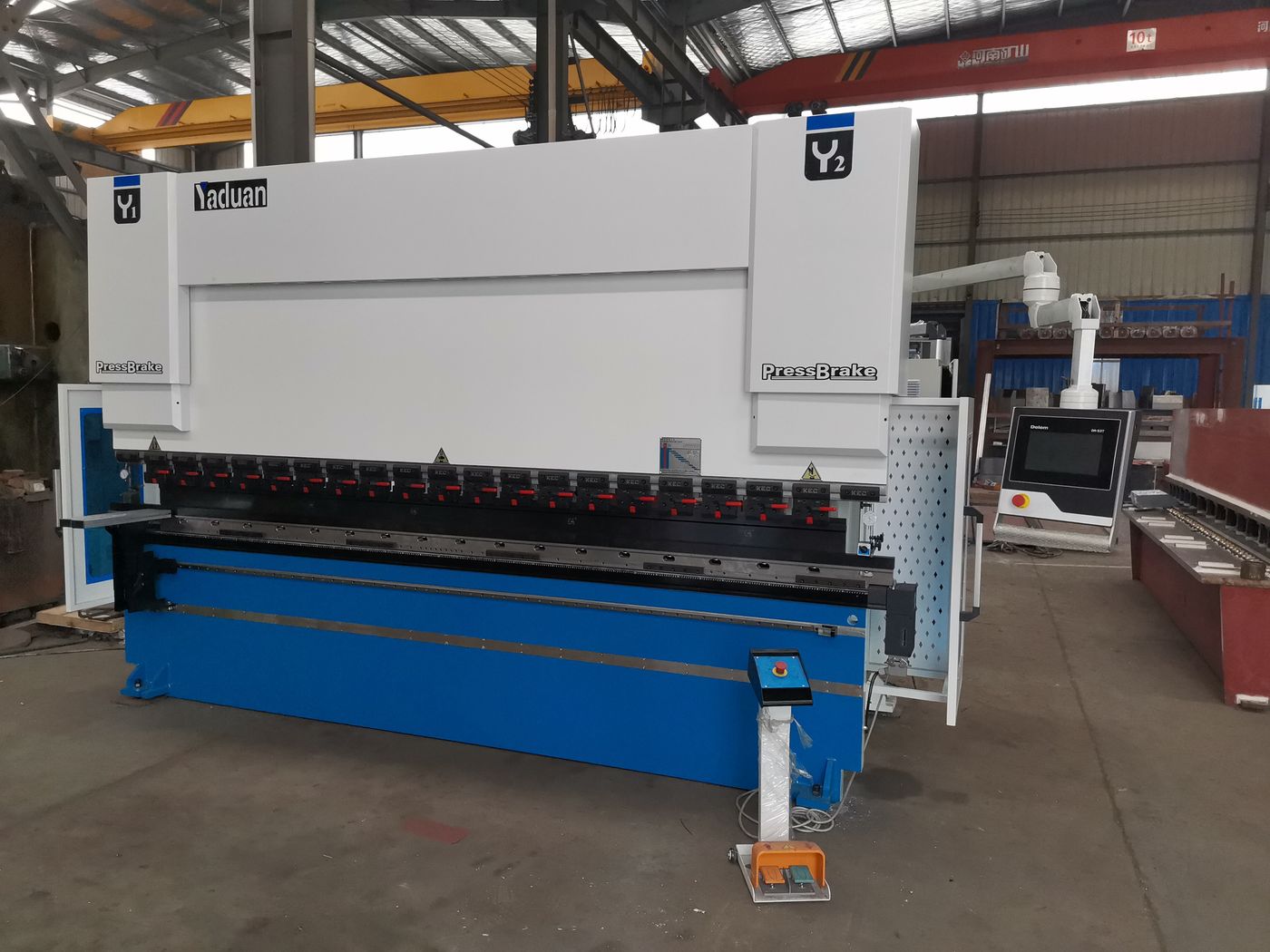
A hybrid press brake combines the precision of electric servo motors with the raw power of hydraulic systems, optimising energy efficiency, speed and accuracy. Unlike traditional hydraulic or purely electric machines, hybrid systems use servo-driven pumps to control hydraulic pressure on demand, drastically reducing energy waste and noise while maintaining high tonnage capabilities. Key features include:
- Energy savings: up to 85% less energy consumption compared with conventional hydraulic systems, achieved by activating pumps only during active bending cycles
- Precision: servo motors enable ±0.01 mm repeat accuracy, critical for aerospace and automotive components
- Low noise: operates at about 20 dB during standby, ideal for noise-sensitive environments
- Eco-friendly design: reduced oil usage and heat generation, extending component lifespan
KECMT hybrid press brake: key innovations
Our hybrid press brakes are engineered to outperform in flexibility, cost efficiency and performance.
Dual-drive system
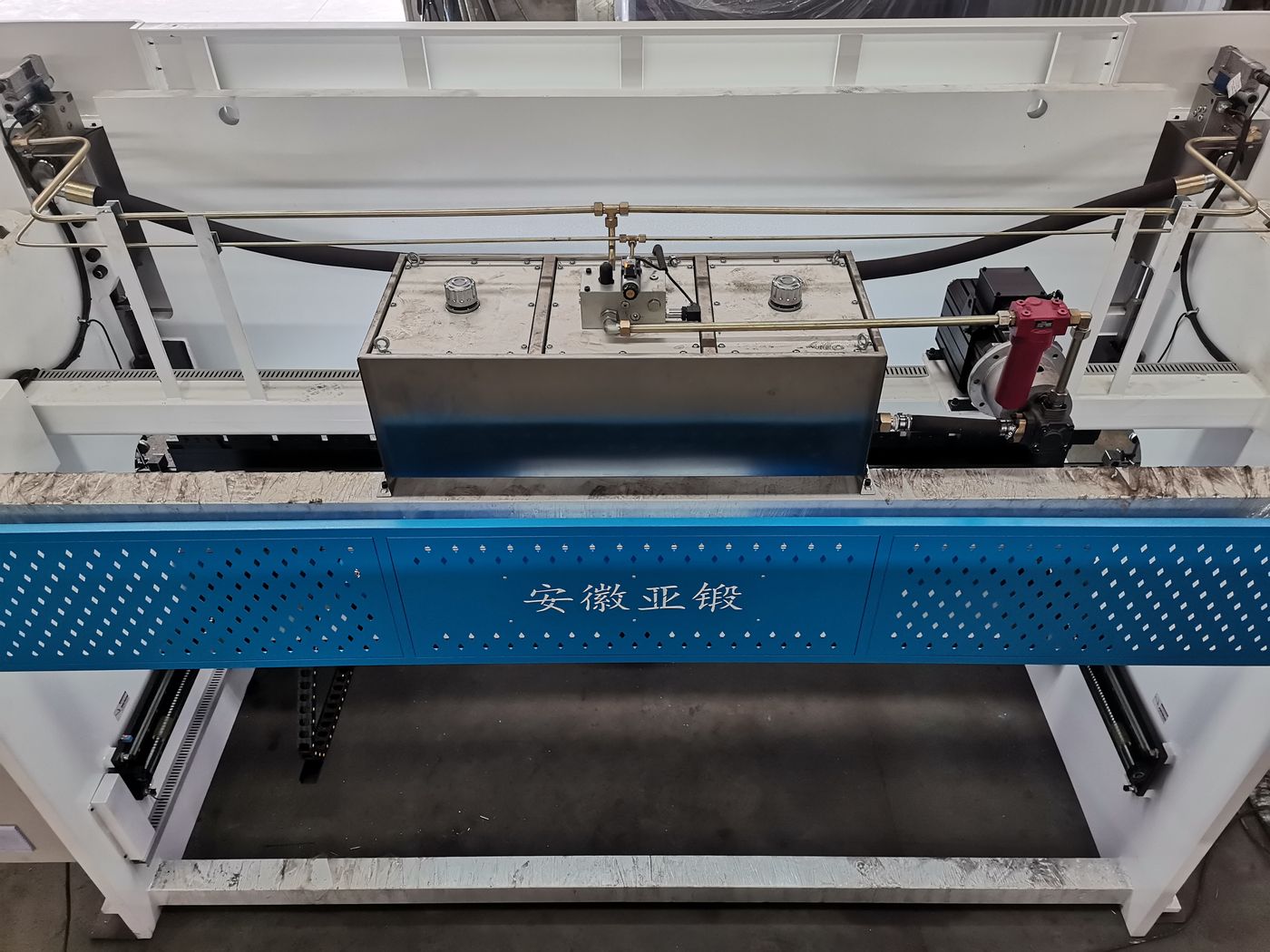
- Electric servo motors: Mitsubishi servo motors power high-efficiency bidirectional pumps, enabling 300 mm/s ram speeds for rapid production
- Hydraulic power: delivers up to 1,200 tons of force for heavy-duty bending, compatible with materials up to 30 mm thick
Advanced CNC control
- Delem DA66T & Cybelec CybTouch: user-friendly interfaces with 3D simulation and IoT connectivity for predictive maintenance, reducing downtime
- Multi-axis automation: supports 6+ axes and robotic integration for complex workflows
Tooling compatibility
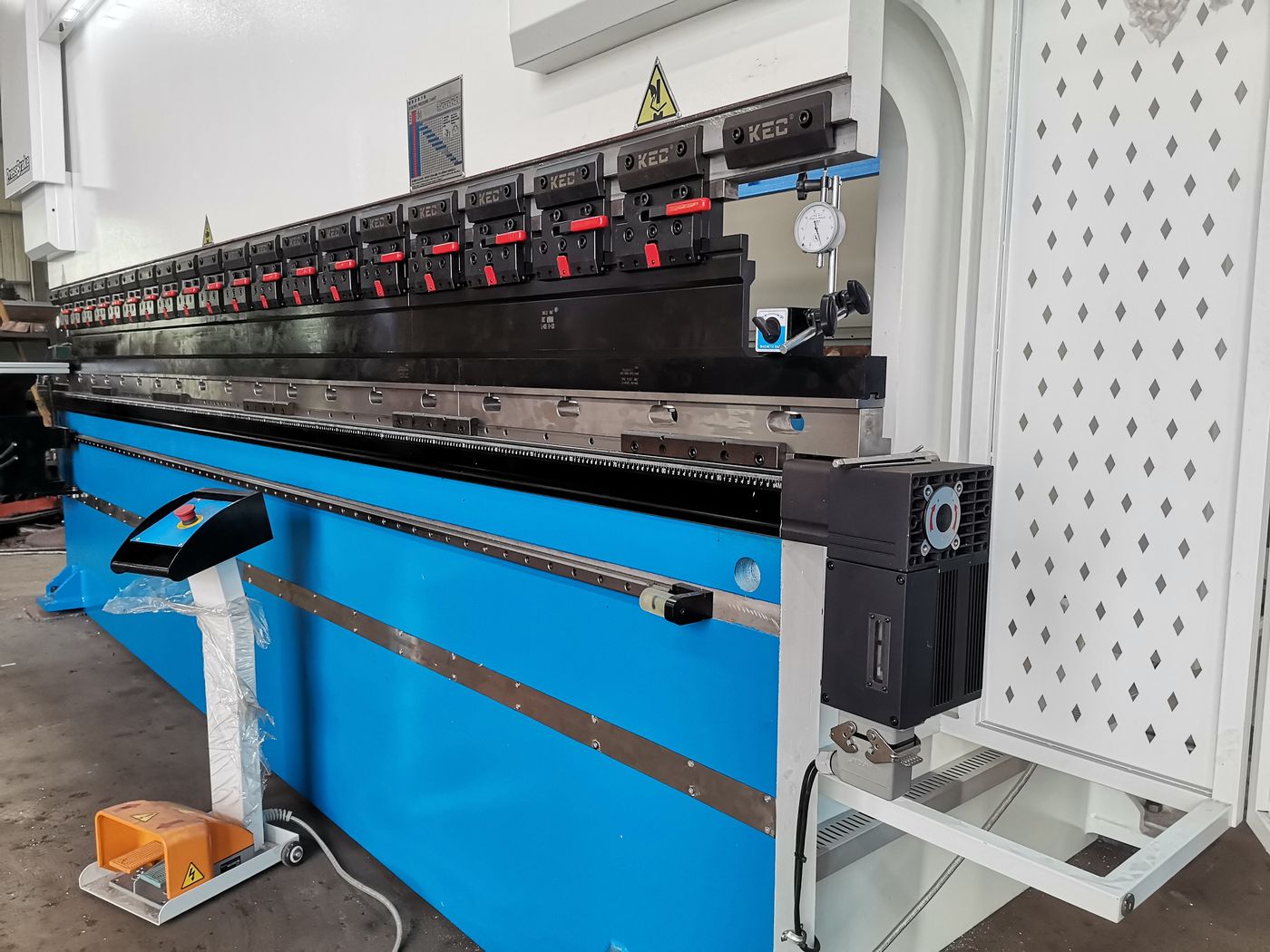
- Trumpf-type tooling: retain existing tooling systems without costly upgrades, ensuring seamless transitions for users of premium brands
Energy efficiency
- Regenerative braking: recovers energy during deceleration, cutting power use by 70–85%
- Stable hydraulic temperatures: oil temperatures remain below 50°C even during 24/7 operation
How hybrid compares
| Feature | Conventional hydraulic | KECMT hybrid |
|---|---|---|
| Energy use | Constant pump running | Pumps on demand — up to 85% less |
| Standby noise | Pump audible | ~20 dB standby |
| Repeat accuracy | ±0.1 mm class | ±0.01 mm |
| Ram speed | Valve-limited | 300 mm/s rapid |
| Oil temperature | Rises with duty | Below 50°C at 24/7 duty |
| Max tonnage | To 1,200 T | To 1,200 T |
Competitive context
Several global builders now offer hybrid or servo-hybrid series — Accurl with its Genius Plus and Euro Pro lines, Shenchong’s WDK servo-hybrid series, Haco Atlantic’s Pressmaster, Gasparini’s X-Press Next and ADIRA’s PF/PH series among them. The pattern across the market is consistent: 6–8-axis control, Delem DA66T interfaces, 50–400 ton capacity in the mid-range, and premium pricing at the top end. KECMT builds the same architecture — Mitsubishi servo pumps, Delem DA66T or Cybelec CybTouch control, 1,200-ton ceiling — with direct factory pricing and a service network that does not depend on an importer’s spare parts shelf.
Representative specification
| Parameter | WC67K 110T 4100 |
|---|---|
| Nominal pressure | 1,100 kN |
| Worktable length | 4,100 mm |
| Distance between columns | 2,600 mm |
| Throat depth | 350 mm |
| Ram travel | 150 mm |
Other tonnages and bed lengths are built to order — tell us the part and we will configure the machine around it.
Ask about the hybrid press brake
Send the part you need to bend and we will come back with a configuration and a quote.